

Zhangjiajie Tianmen Mountain
Tianmen Mountain: The “Gate of Heaven” That Merges Wonder & Thrill in Zhangjiajie
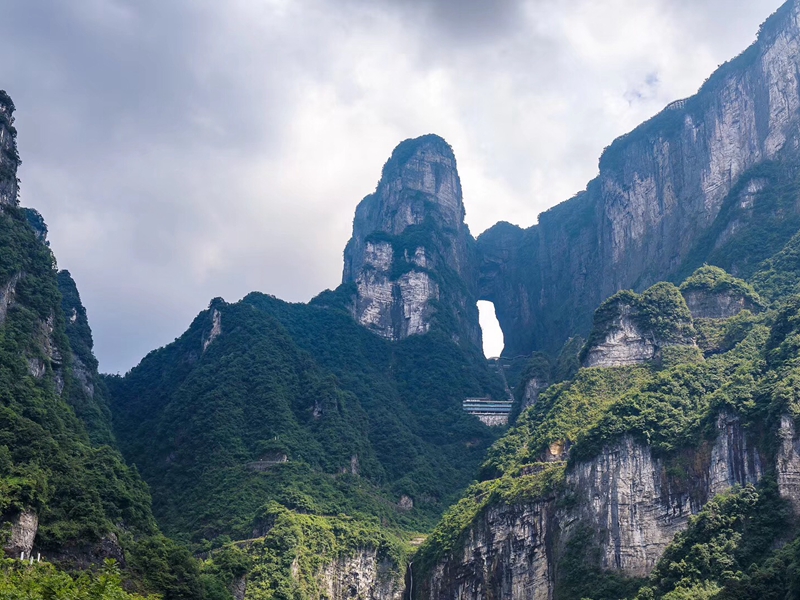
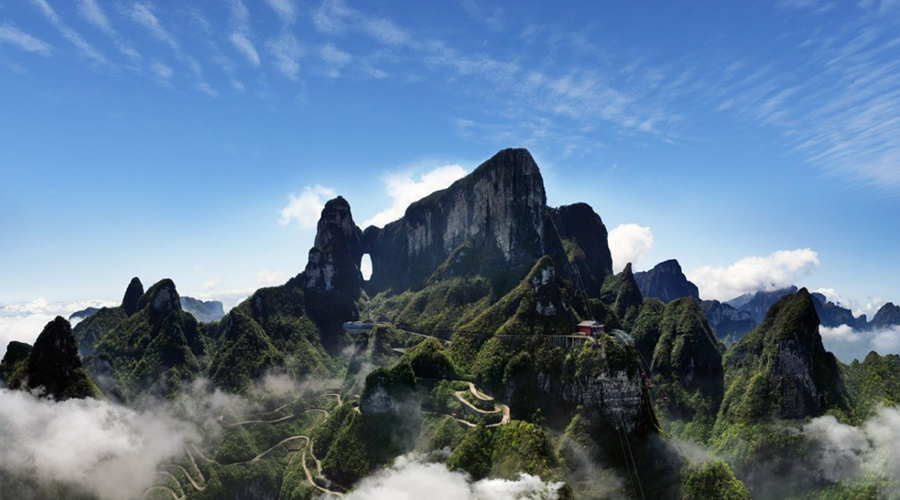
Rising abruptly above Zhangjiajie City, Hunan Province, Tianmen Mountain (1518.6 meters above sea level) is far more than a peak—it’s a myth made tangible. Known as the “Soul of Zhangjiajie,” this karst giant is crowned by Tianmen Cave: a 131.5-meter-high natural archway that legend says was split open by a divine axe, forming a “gate” between heaven and earth. Unlike the wild seclusion of Qixing Mountain, Tianmen Mountain wraps raw nature in iconic man-made feats, blending ancient folklore with heart-pounding modern adventures.
Where Myth Meets Karst: The Mountain’s Core Charm
The Natural “Gate” & Its Ecosystem
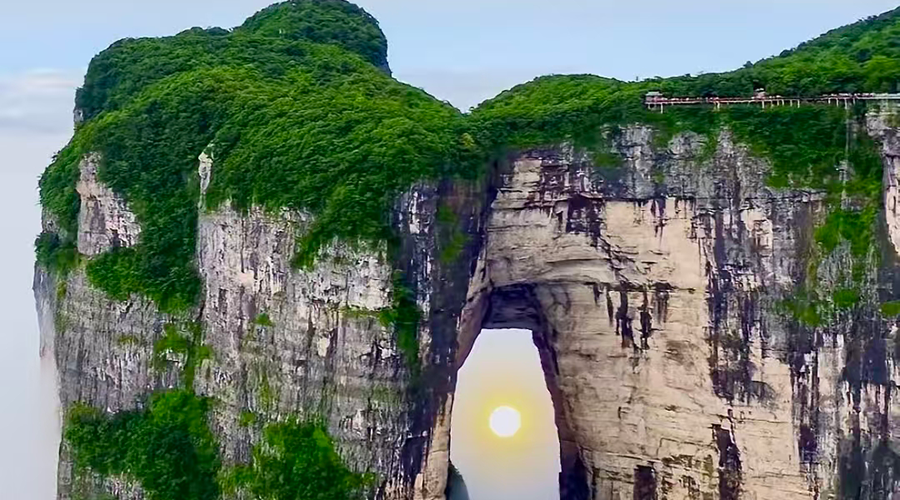
At Tianmen mountain’s heart lies Tianmen Cave (The World’s Highest Natural Arch), the star that defines Tianmen Mountain. Carved by 170 million years of erosion, this archway isn’t just a geological wonder—it’s a cultural totem: locals once believed immortals passed through it, and today it’s a pilgrimage site for visitors who climb its 999 Steps (symbolizing “eternal luck” in Chinese culture) to “walk into heaven.”
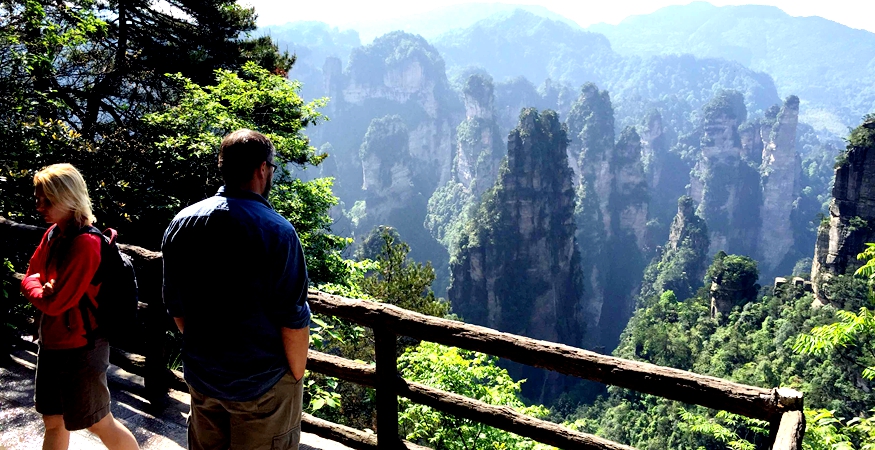
Surrounding the Tianmen cave is a 2,200-hectare primeval forest, a lush blanket of Wuling pines and medicinal herbs. The forest shelters macaques and muntjacs, while its cool microclimate (10-15°C cooler than the city below) makes it a summer retreat. Here, karst cliffs cradle the forest, and the forest softens the rock—a quiet symbiosis that feels both ancient and alive.
Iconic Landmarks: Where Heaven Touches Earth
1. Tianmen Cave & The 999 Steps
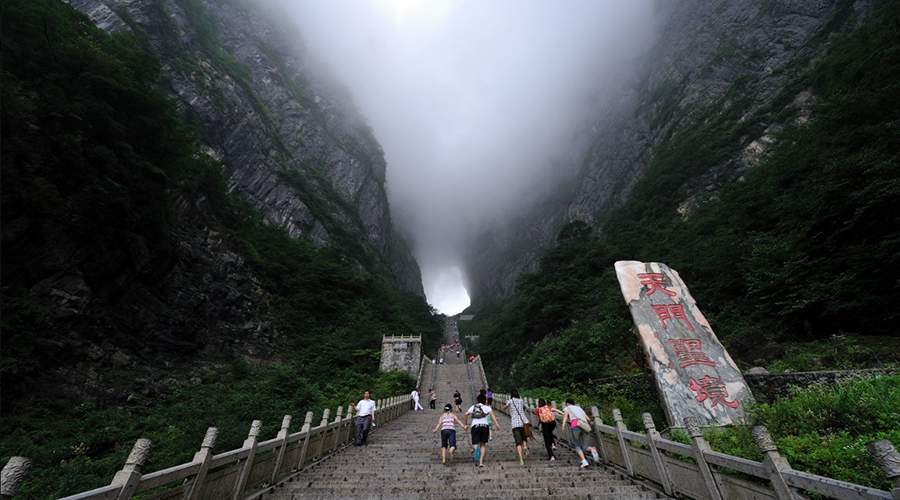
The Tianmen cave is 131.5m height and 57m width frame unobstructed views of the valley below—layers of green peaks, winding rivers, and distant villages all shrinking into a miniature landscape, especially stunning at sunrise when golden light floods the archway, painting the rock walls in warm amber. Climbing the 999 Steps (called the “Stairway to Heaven”) is a rite of passage: each step echoes with the sound of wind through the cave, and the crisp mountain air fills your lungs; by the final ascent, the world feels weightless, rewarding you with a “portal” view that feels like stepping into the clouds, where mist curls around the arch’s edges.
2. Tianmen Mountain Cableway (World’s Longest Alpine Passenger Cableway)
Dubbed the “World’s Longest Passenger Cableway” (7,455 meters), this engineering marvel connects Zhangjiajie’s bustling urban center to the mountain’s misty summit in just 28 minutes, bridging two worlds in a single journey. Its staggering 1,279-meter vertical drop means you soar from concrete streets lined with shops and cafes to cloud-shrouded peaks, gliding over dense green forests, jagged limestone cliffs, and even the iconic Tianmen Cave—now a tiny archway framed by mountains far below. The glass-bottomed gondolas elevate the experience into a thrilling “sky walk,” with unobstructed, sweeping views of the landscape that shift from cityscape to wilderness, making every minute of the ride a visual feast for adventure seekers and nature lovers alike.
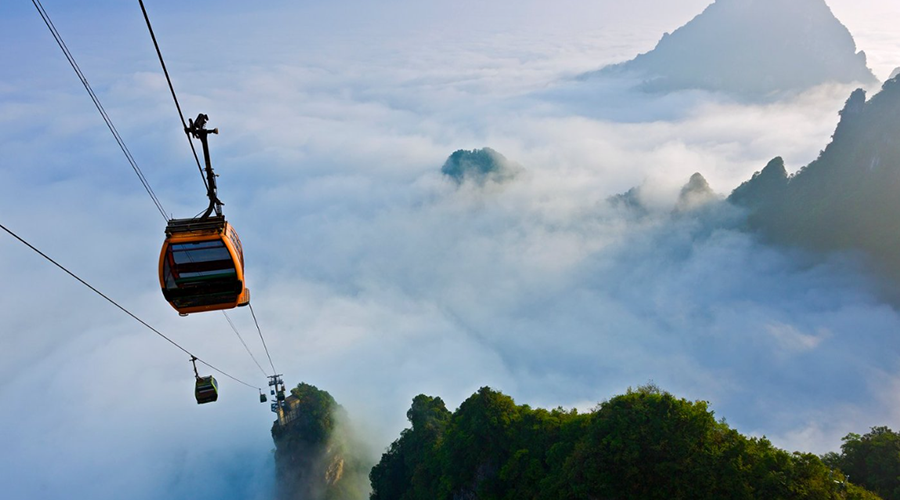
3. Paths on the Edge: Walkways & Terraces
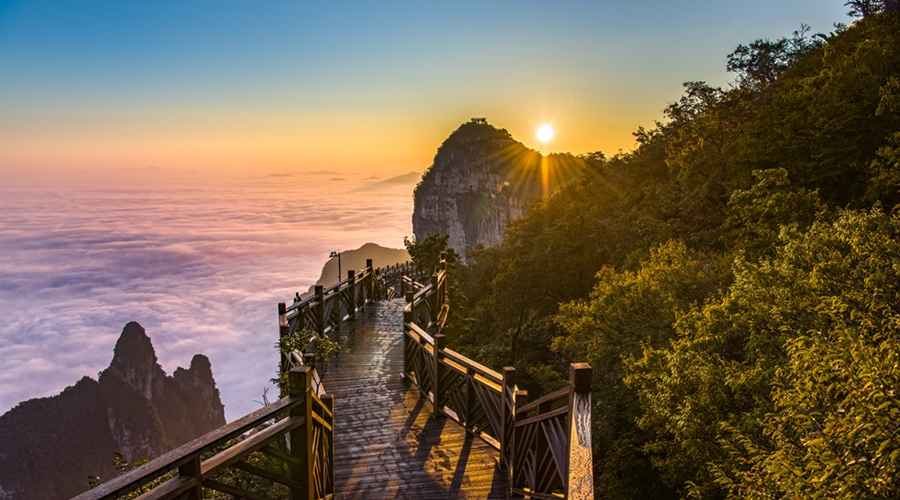
Aerial Corridor: A sleek circular glass platform that juts 20 meters horizontally from the cliffside, seemingly floating mid-air with nothing but transparent panels beneath your feet. This engineering feat offers unobstructed 360° views—above, cotton-like clouds drift past snow-capped peaks; below, Zhangjiajie’s cityscape shimmers like a miniaturized model, while lush valleys and winding rivers weave through the landscape. Unlike the bustling plank roads, it exudes a serene intimacy, making it perfect for pausing to soak in the scenery: listen to the wind rustle through pine branches, breathe in the crisp, oxygen-rich air, and let the grandeur of nature sink in—all while summoning the courage to gaze directly down at the vertiginous drop below (if you can stand the thrill of feeling suspended between heaven and earth).
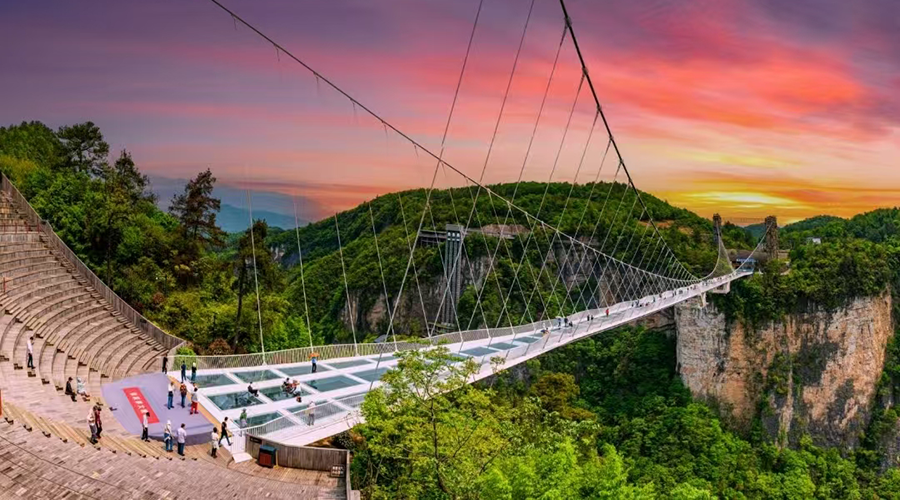
Panlong Cliff Glass Walkway: A 100-meter-long glass pathway clinging to the sheer cliff face, highlighted by its dramatic “U-shaped” overhang that juts 3 meters outward into the void. Step onto this heart-pounding extension, and you’re instantly suspended over the valley, with nothing but 12-centimeter-thick tempered glass separating you from the 1,500-meter vertiginous drop below—where jagged rocks and lush forest canopies blur into a distant green carpet. The transparent surface reflects the sky, clouds, and surrounding peaks, creating an illusion of walking on air that sends a thrill down your spine. It’s one of Zhangjiajie’s most photographed (and heart-stopping) spots: visitors pause to capture the perfect shot against the backdrop of towering karst mountains, laughing and gasping as they navigate the walkway, balancing awe at the panoramic views with the exhilarating rush of standing on the edge of the world.
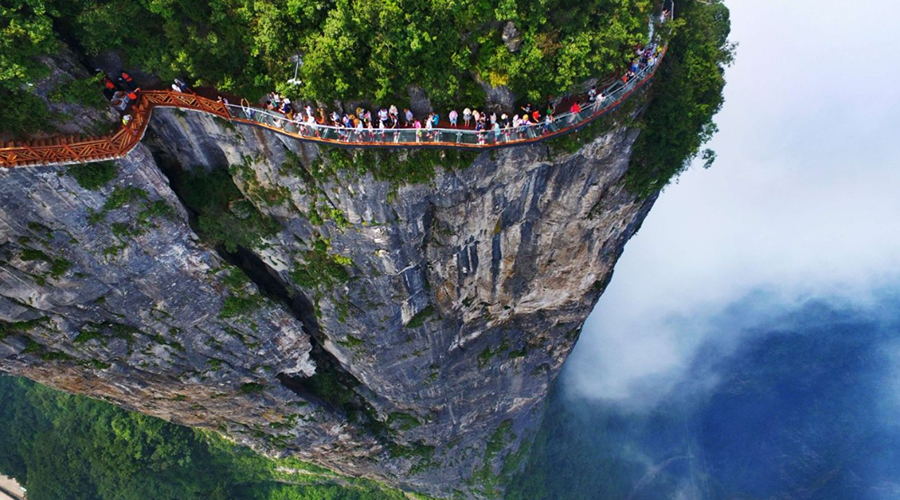
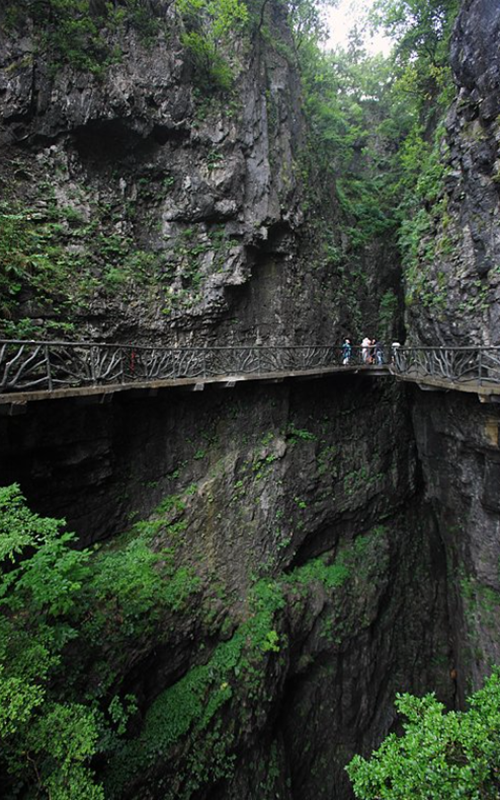
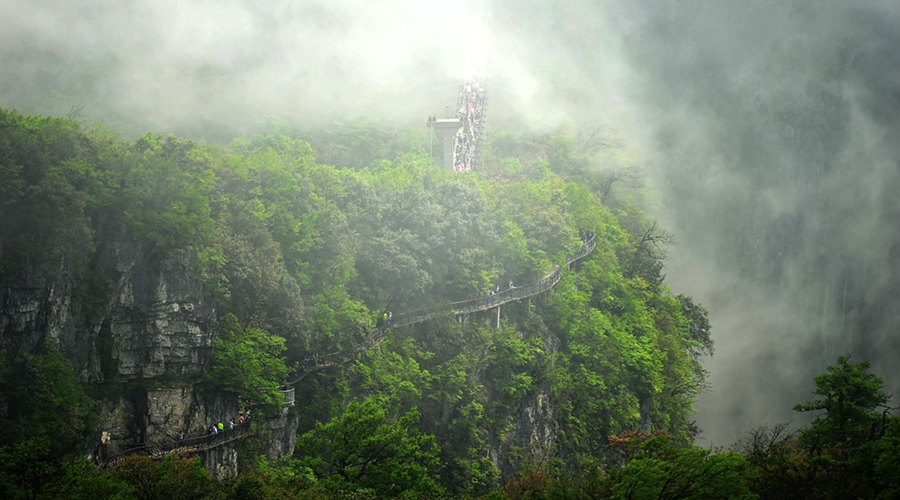
Guigu Gorge: A dramatic cliff gap carved by millions of years of water erosion and geological movement, nestled along the winding Guigu Plank Road—said to be the former retreat of Guiguzi, the legendary ancient Chinese strategist, whose wisdom is said to linger in the gorge’s misty air. Here, the already narrow stone pathway constricts further, barely wide enough for two people to pass side by side, flanked by sheer, moss-covered rock walls that rise hundreds of meters into the sky, their craggy surfaces etched with the marks of time, streaked with mineral deposits that glow faintly in the light. Below, a shadowy chasm plunges into unfathomable darkness, its depths shrouded in swirling mist that drifts upward like ethereal silk, carrying the cool, damp scent of pine and stone, mingled with the earthy aroma of ferns clinging to the cliff sides. The air hums with the distant, resonant roar of an unseen waterfall, its sound echoing through the gorge and blending with the rustle of wind through overhanging shrubs and the occasional call of a mountain bird, creating a symphony of natural sounds. Sunlight filters through narrow cracks in the cliffs, casting dappled light on the uneven stone path and painting fleeting patterns on the rock walls, creating an otherworldly atmosphere that blurs the line between reality and myth. Every step feels deliberate as you navigate the winding trail, gripping the weathered wooden handrails—smoothed by decades of visitors’ hands—for balance, your heart quickening as you peer over the edge into the void. This isn’t just a walk, but an immersive adventure that heightens every sense: the cool touch of mist on your skin, the crispness of the mountain air in your lungs, the thrill of standing on the edge of a natural wonder. The stark contrast between the tight, enclosed path and the vast, empty chasm below amplifies the adrenaline, making Guigu Gorge a definitive highlight of the plank road: a place where nature’s raw, unbridled power and human courage converge, leaving visitors not only in awe of the landscape’s breathtaking grandeur but also with a profound sense of humility and wonder at their own ability to embrace the unknown.
Guigu Plank Road: A 1.6km wooden pathway meticulously built into the sheer western cliff face of Tianmen Mountain, its weathered planks and sturdy handrails clinging to the rock like a natural extension of the mountain. Named after the legendary ancient military strategist Guiguzi—said to have retreated here to meditate, teach, and refine his art of war—the trail winds through craggy outcrops and pine-dotted slopes, weaving a narrative of history and adventure. Unlike glass walkways that create a sense of detachment, this wooden path offers an unfiltered, vertiginous “cliff-hugging” experience: you feel the rough texture of wood beneath your feet, the cool mountain breeze on your face, and the subtle sway of the planks as you move, forging an intimate connection with the landscape. With no transparent barriers to soften the view, the 1,000-meter drop below feels visceral and immediate, yet the secure handrails and well-maintained path let you embrace the thrill without fear, making you feel like a bird perched on the rock, soaring above the valley with every step.
4. The Sacred Spot: Tianmen Temple
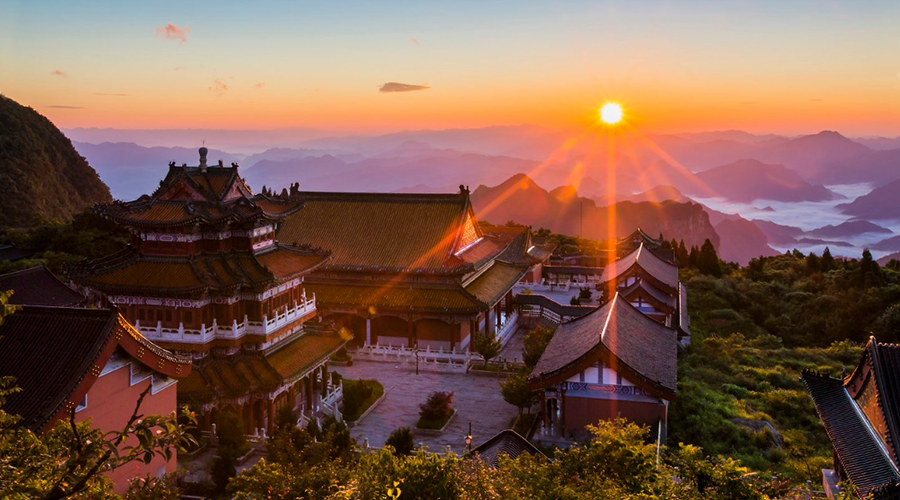
Nestled on the sunlit summit of Tianmen Mountain, this ancient Buddhist temple dates back to the Tang Dynasty, standing as a serene counterpoint to the mountain’s heart-pounding adventures. Its traditional wooden architecture—with curved eaves, carved railings, and weathered red pillars—blends seamlessly with the surrounding primeval forest, as if grown from the rock itself. The deep, resonant toll of temple bells drifts through the pines, mixing with the melodic trill of mountain birds and the rustle of wind through leaves, creating a symphony of calm. Inside, tendrils of sandalwood incense curl toward the eaves, wrapping the prayer halls in a hazy, sacred atmosphere. Devotees bow before golden Buddha statues, while visitors find quiet corners to sit, breathe, and reflect—making it the perfect sanctuary to decompress after a day of cliffside walks and sky-high thrills, reconnecting with peace amid nature’s grandeur.
5. The “Avenue to Heaven”: Winding Road
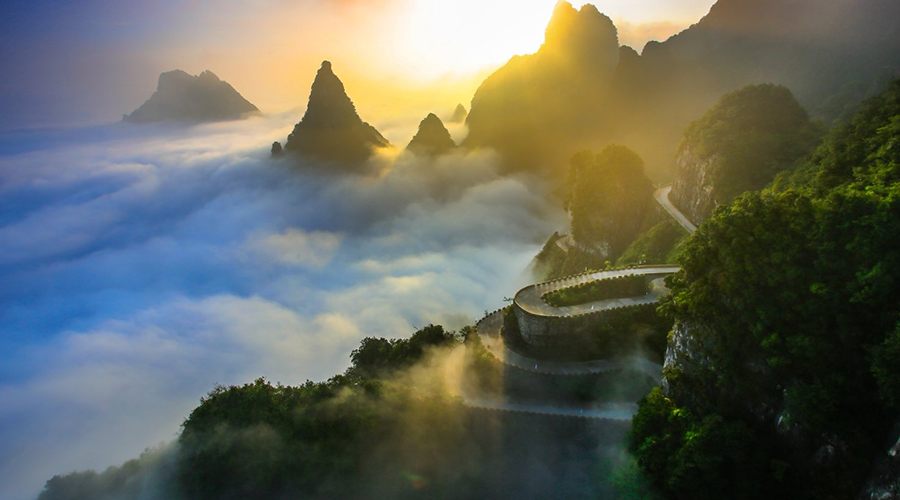
Known as the “Avenue to Heaven,” this 10.77-kilometer mountain road weaves up Tianmen Mountain’s northern slope with 99 hairpin turns—each sharp bend symbolizing prosperity and divine blessing in Chinese culture. Carved into the sheer cliffside over decades of meticulous engineering, it twists and curls like a golden dragon coiling toward the summit, its asphalt surface clinging to the rock at gradients of up to 70 degrees. Taking a shuttle bus along this route is a white-knuckle yet exhilarating ride: drivers navigate the tight turns with precision, while passengers grip their seats, gasping as the vehicle hugs the edge of thousand-meter drops. With each switchback, a new perspective of Tianmen Cave unfolds—sometimes peeking through pine trees, sometimes framed by mist—turning the journey into a moving panorama. It’s no wonder it’s hailed as “the most dangerous beautiful road in China,” blending heart-stopping thrills with breathtaking natural beauty that lingers in the memory long after the ride ends.
Scenic & Seasonal Highlights
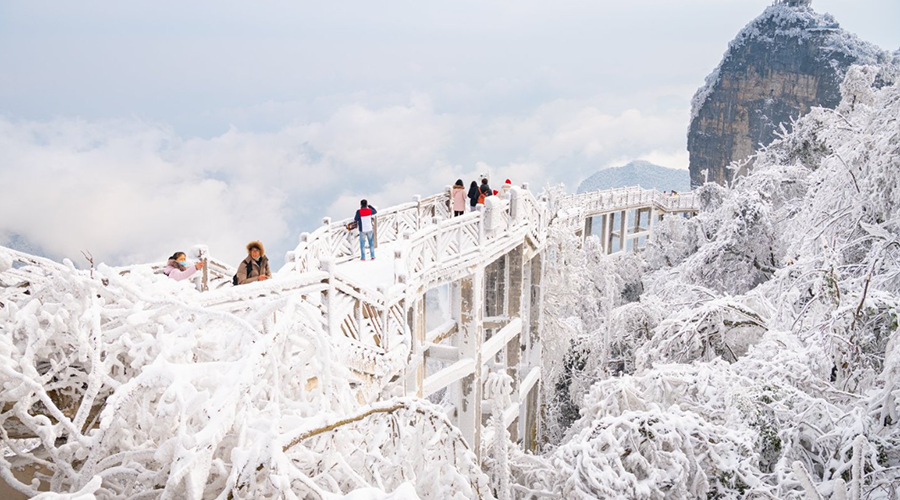
- Winter’s “Silver Kingdom”: When the first snow blankets Tianmen Mountain, the landscape undergoes a magical transformation—lush green forests swap their hue for a glittering white, as delicate rime coats every pine needle and branch like frosted crystal (locals affectionately call this the “Silver Forest”). The mountain’s karst peaks, once rugged and brown, are softened by a thick layer of snow, resembling giant sugar sculptures rising from a winter wonderland. Sunlight filters through the cloud cover, casting prismatic reflections off the icy surfaces, turning every trail into a shimmering path. Even the 999 Steps and plank roads take on a fairy-tale charm, with snowdrifts framing the way and the crisp, cold air carrying the sound of distant temple bells, creating a serene, almost otherworldly atmosphere that feels like stepping into a snow globe.
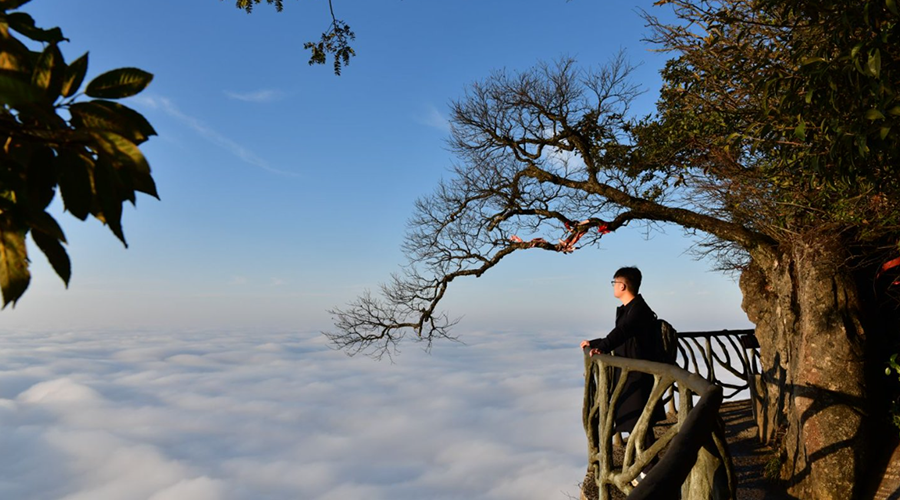
- Tianmen Sea of Clouds: On misty mornings or after light rain, the summit of Tianmen Mountain is enveloped in a thick, rolling sea of clouds—dense enough to obscure the valley below yet soft enough to drift like silk. Jagged peaks poke through the white expanse like isolated islands, their tops dusted with mist, while the sky blends seamlessly with the cloud cover, blurring the line between heaven and earth. The air feels cool and damp, carrying the fresh scent of pine and stone, and as the wind shifts, the clouds swirl and part, revealing fleeting glimpses of distant valleys and winding roads before closing again. It’s a dreamlike scene that makes visitors feel as if they’re walking on air, with the world below reduced to a soft, hazy blur—perfect for capturing ethereal photos or simply losing oneself in the quiet magic of the moment.
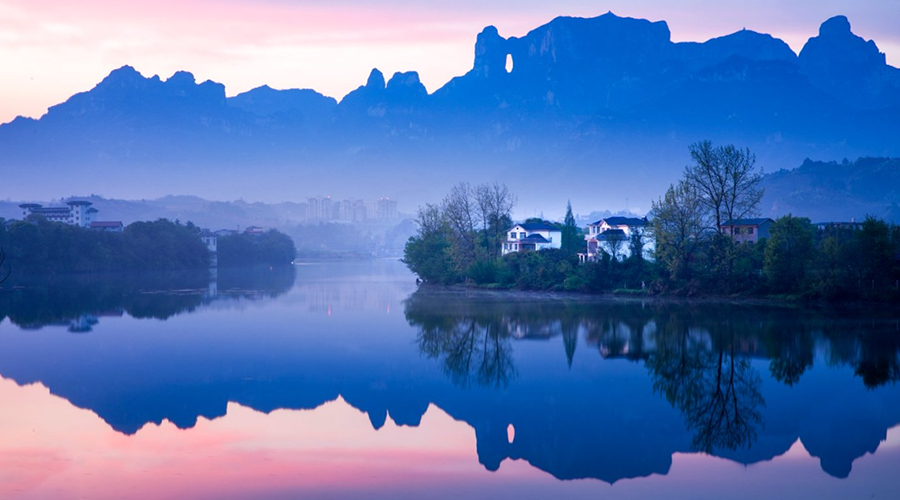
- Water & Sky Merge: From lower viewpoints along the mountain’s foothills or the banks of the nearby Lishui River, Tianmen Mountain’s majestic silhouette reflects perfectly in the calm, glassy waters below. On clear, windless days, the line between reality and reflection vanishes: deep blue peaks blend with the sky above, their outlines mirrored in the river’s surface, while wispy clouds drift across both the heavens and the water, creating a single, seamless expanse of blue and white. The scene is so symmetrical and serene that it feels almost painted, with the mountain’s rugged edges softened by the water’s gentle surface. Whether viewed at sunrise—when the sky glows pink and gold, tinting the reflection with warm hues—or at dusk, when the sun dips below the horizon and the world turns shades of purple and indigo, this “water-sky merge” is a testament to nature’s artistry, offering a peaceful counterpoint to the mountain’s more thrilling attractions.
The Essence of Tianmen Mountain: Why It Endures
What makes Tianmen Mountain unforgettable is its duality—an effortless blend of contrasts that resonates deeply with every traveler. It is a place where the ancient and the modern collide: centuries-old Buddhist chants from Tianmen Temple weave through the breeze alongside the laughter of visitors on glass walkways, while the fragility of transparent platforms meets the immensity of 170-million-year-old karst rock. Here, extremes coexist harmoniously: you can scream in exhilarated terror on the “Avenue to Heaven” one hour, then sink into meditative silence amid incense and temple bells the next.
It is a mountain that challenges your courage while healing your spirit—pushing you beyond comfort zones on cliffside paths, yet wrapping you in serenity when you pause to gaze at sea of clouds or snow-dusted pines. Unlike destinations tied to a single identity, Tianmen Mountain offers both thrills and solace, grandeur and intimacy. A true “Gate of Heaven,” it bridges nature’s wild power and the soul’s quiet depth. This rare balance of contrasts is why it endures: it does not just impress, but lingers—calling travelers back to rediscover its magic, time and again.
Travel Tips
- The opening time of Tianmen Mountain scenic spot is 7:30am-18:00pm, and the cableway stops operating at 17:30pm (extended to 18:30pm in summer peak season/golden week). It is recommended to arrive before 9:00am to avoid long cableway queues; the one-way cableway ride takes 28 minutes, so plan your return trip in advance.
- The combined ticket for Tianmen Mountain (including cableway) is valid for one day only. Note that the glass walkway (Aerial Corridor/Panlong Cliff) requires an extra 5-10 RMB fee for shoe covers (provided on-site). Do not accept “cheaper tickets” from scalpers—book officially via the scenic spot app or ticket office.
- Tianmen Mountain has two main tour routes: East Line (Thrilling Walkways) and West Line (Scenic Views). Most visitors choose the “one-way cableway + shuttle bus” combo: take the cableway up, walk one line, then take the shuttle bus down via the 99 Bends Road. Wear non-slip shoes—paths can be wet in misty weather.
Zhangjiajie-Tianmen-Mountain